
Understanding the psychological triggers that influence gambling behavior
The Role of Emotion in Gambling
Emotion plays a significant role in gambling behavior, often driving individuals to engage in activities that they might otherwise avoid. Excitement, anxiety, and even desperation can push players to place bets, seeking an emotional high or an escape from their problems. The thrill of potentially winning can create a dopamine rush, reinforcing the desire to gamble even in the face of losses. For more insights, visit https://highflyerscasinoca.com/.

Many gamblers experience a rollercoaster of emotions during play. The anticipation before a game starts and the exhilaration of a near win can stimulate continued gambling. Understanding how these emotions influence decisions can help individuals recognize patterns in their behavior and develop healthier approaches to gambling.
Cognitive Biases in Gambling
Cognitive biases are another critical factor that influences gambling behavior. Players often fall victim to the illusion of control, believing they can influence the outcome of games through their skill or strategy. This mindset can lead to increased betting and a distorted perception of odds, which often culminates in significant losses.
Additionally, gamblers frequently experience the gambler’s fallacy, where they believe that past outcomes affect future results. For instance, someone might think that a slot machine is “due” for a win after a series of losses. These cognitive distortions can cloud judgment and lead to reckless gambling practices.
The Impact of Environment and Social Influences
The environment in which gambling occurs can significantly impact behavior. Casinos are designed to be exciting and stimulating, filled with bright lights, sounds, and other sensory experiences that encourage players to stay longer and wager more. Social influences, such as friends or family members who gamble, can also contribute to a person’s gambling habits, creating a sense of community around the activity.
Moreover, peer pressure can lead to increased gambling participation. The social validation of gambling as a form of entertainment can diminish personal awareness of risks, making individuals more susceptible to placing bets. Understanding these environmental and social factors is crucial for recognizing triggers that could lead to problematic gambling.
Behavioral Conditioning and Gambling
Behavioral conditioning is a fundamental psychological concept that explains how repeated exposure to gambling can reinforce specific behaviors. Positive reinforcement occurs when a player wins, creating a strong association between gambling and reward. Over time, this connection can lead to compulsive gambling behaviors, where individuals continue to gamble despite negative consequences.
Moreover, variable rewards, such as those found in slot machines or lottery games, can enhance this conditioning. The unpredictability of rewards can make gambling more enticing, as players chase the high of winning while ignoring the risks involved. Recognizing this cycle of behavior is essential for anyone looking to understand their gambling tendencies.
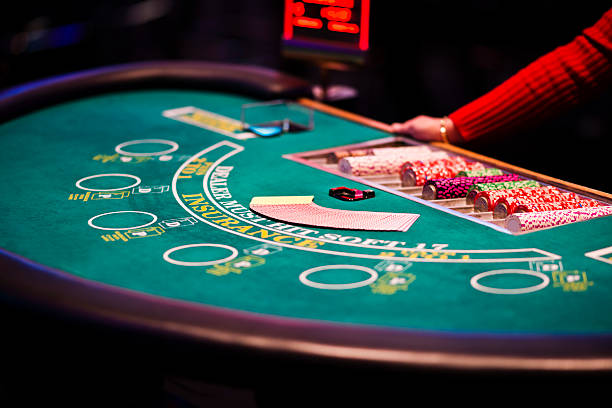
High Flyer Casino: A Safe Gambling Environment
High Flyer Casino aims to provide a secure and enjoyable gaming experience for players, especially those in Canada. By offering a wide range of games from top providers, the platform caters to various preferences while ensuring that players can engage in their favorite activities safely. The casino operates under strict regulations that prioritize fair play and secure transactions.
Additionally, High Flyer Casino focuses on player support and engagement, offering bonuses and a VIP program to enhance the gaming experience. Understanding the psychological triggers that influence gambling behavior is essential, and High Flyer Casino encourages responsible play to ensure that players can enjoy their time without negative repercussions.